
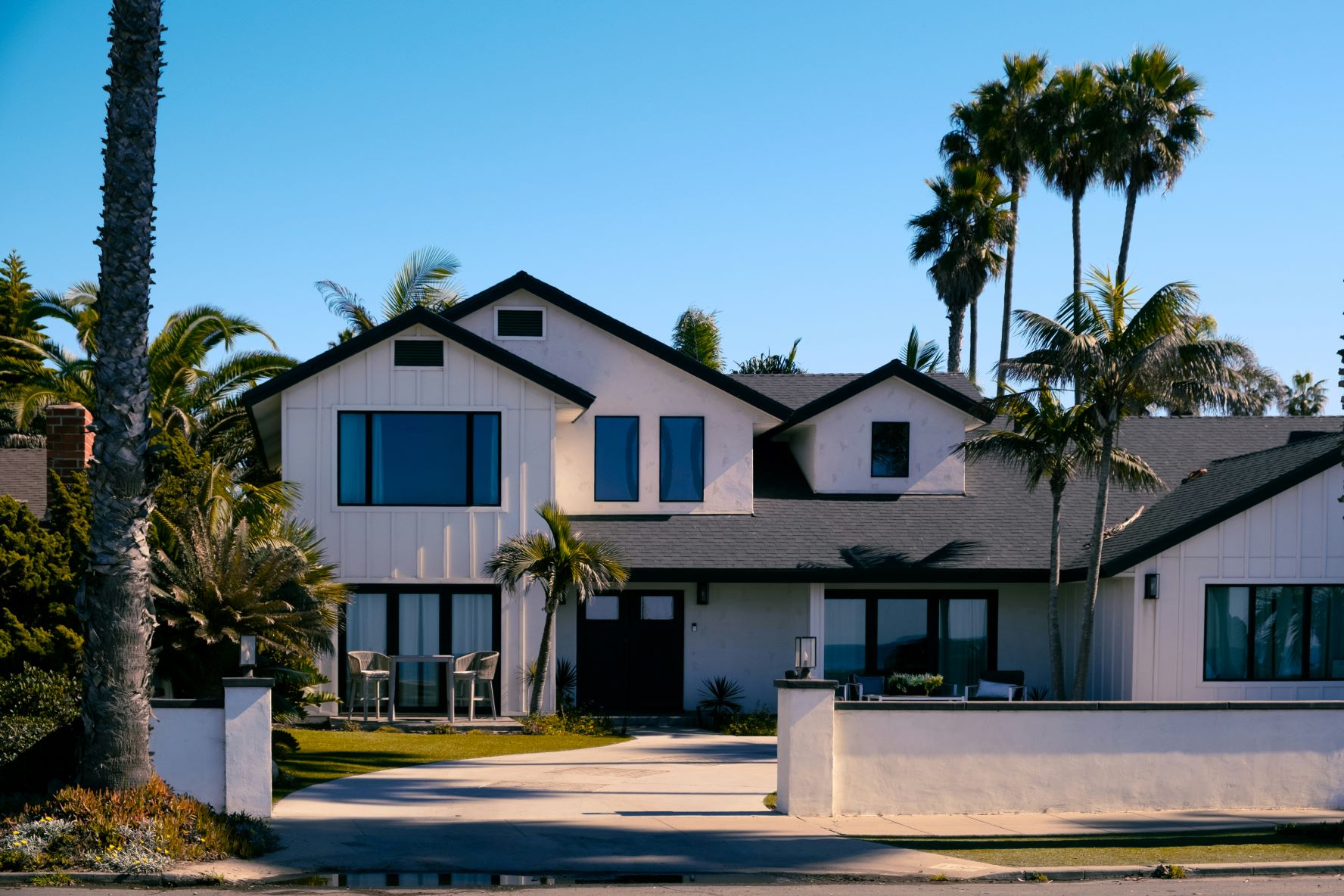
Planning Before You Plant Can Save You Time, Money, and a Lot of Dead Plants
Adding new plants to your San Diego property sounds simple — pick something you like, dig a hole, water it. But without proper planning, you can end up with plants that die quickly, damage your yard, or cost far more to maintain than expected.
Before you buy a single plant, there are factors worth understanding: your soil conditions, your climate zone, your irrigation setup, and what your property can realistically support long-term.
Premier LandTechs helps homeowners and commercial property owners across San Diego make informed landscaping decisions from the start. Whether you’re expanding an existing landscape or starting fresh, getting the planning right is what separates a thriving yard from a frustrating one.
Why Pre-Plant Planning Pays Off
Skipping the planning phase is one of the most common and costly mistakes property owners make. Plants placed in the wrong spot, wrong soil, or wrong climate zone fail — and replacement costs add up fast. A little research before you plant goes a long way toward a yard that actually performs.
Know Your San Diego Climate Zone Before Buying Anything
San Diego covers multiple USDA hardiness zones and distinct microclimates. A plant that thrives in Encinitas may struggle in El Cajon due to heat differences. Coastal areas stay cooler and more humid, while inland zones experience hotter summers and colder nights.
Knowing your specific climate zone before selecting plants is one of the easiest ways to avoid early plant failure.
Understanding Microclimates on Your Property
Even within a single yard, microclimates vary. South-facing walls absorb and radiate more heat. Areas near pavement or concrete can get significantly hotter than open lawn areas. Shaded corners stay cooler and retain moisture longer than spots with full sun exposure.
Matching plants to the specific microclimate where they’ll actually live — not just your general zip code — improves their chance of long-term survival considerably.
Soil Quality Determines Whether Plants Thrive or Fail
San Diego soil varies widely across the county. Some areas have heavy clay that retains too much water and suffocates roots. Others have sandy or rocky soil that drains too fast and lacks the nutrients plants need to establish themselves.
Before adding new plants, it’s worth knowing exactly what you’re working with.
How to Test and Improve Your Soil
A basic soil test gives you data on pH, nutrient levels, and drainage capacity. That information tells you whether you need to amend the soil before planting or simply choose species that match what you already have.
Adding organic matter, adjusting pH, or improving drainage before plants go in the ground is far easier than trying to fix problems after the fact. Amended soil leads to faster establishment and stronger root systems.
Mature Plant Size vs. Available Space
Plants look small in a nursery pot. What they look like at full maturity is what matters for your property.
Planning for Growth, Not Just for Now
A shrub that’s two feet tall at purchase may reach ten feet wide in five years. Trees planted too close to structures, driveways, fences, or underground utilities can cause damage that’s both difficult and expensive to address later.
Always research the mature height and spread of every plant before deciding where to put it. Give plants room to grow without crowding structures, neighboring plants, or each other. Proper spacing from the beginning also improves air circulation and reduces disease pressure.
Water Requirements and Your Existing Irrigation System
One of the most overlooked factors in plant selection is water compatibility. Grouping plants with different water needs into the same irrigation zone creates a situation where some plants are overwatered and others are consistently underwatered at the same time.
Matching Plants to Irrigation Zones
Before adding new plants, review your current irrigation setup. Know which zones run on what schedule and how much water each area receives per cycle.
Drought-tolerant California natives and succulents should not share a zone with thirsty tropical or subtropical plants. Mismatched watering leads to root rot in some plants and drought stress in others, while also wasting water. If your irrigation system needs reconfiguring before new plants go in, that’s a worthwhile investment upfront.
Invasive Species and Plants to Avoid in San Diego
Not all plants sold at local nurseries are appropriate for San Diego properties. Some species spread aggressively, crowd out native plants, and can become difficult or expensive to remove once established.
Before purchasing, cross-reference your selections against California’s invasive species list. A few common offenders to be aware of:
- Pampas grass (Cortaderia selloana) — spreads rapidly and is a fire hazard
- Fountain grass (Pennisetum setaceum) — displaces native vegetation in surrounding wild areas
- Ice plant (Carpobrotus edulis) — forms dense mats that crowd out native plants along the coast
- Tree of heaven (Ailanthus altissima) — grows aggressively and is extremely difficult to remove once established
- Sweet fennel (Foeniculum vulgare) — highly invasive in coastal and riparian areas throughout San Diego County
These species may appear in nurseries but are known to cause serious problems both on private properties and in the surrounding natural ecosystem.
Maintenance Requirements and Your Actual Schedule
A plant that needs frequent pruning, feeding, or pest management is only a good choice if you have the time or the budget to handle it consistently. Beautiful plants that go neglected quickly become liabilities.
Choosing Low-Maintenance Options Where It Makes Sense
Before committing to high-maintenance species, consider what your property and schedule can realistically support. Some lower-maintenance options that perform well in San Diego:
- California natives like manzanita, toyon, and Cleveland sage are adapted to local conditions, require less water, and need minimal care once established
- Succulents and drought-tolerant ground covers reduce both water use and routine upkeep considerably
- Ornamental grasses provide year-round texture and visual interest with very little maintenance required
- Applying a layer of mulch around new plantings conserves moisture, moderates soil temperature, and reduces weed competition throughout the season
Selecting plants that align with your maintenance capacity keeps your landscape looking good without constant intervention.
Work With a Professional Before You Plant
Plant selection and placement involve more variables than most property owners expect — soil conditions, irrigation compatibility, sun exposure, mature size, maintenance requirements, and local regulations all come into play at once.
Getting even one or two factors wrong can mean replanting, repairing irrigation, or removing plants that have already established themselves. That’s time and money that could have been avoided with a solid plan from the beginning.
Premier LandTechs provides complete landscaping solutions across San Diego, including plant selection guidance, irrigation design, hardscaping, lawn care, and full installation services. If you’re planning to add new plants to your property, contact Premier LandTechs today to build a landscape that performs the way you want it to.