
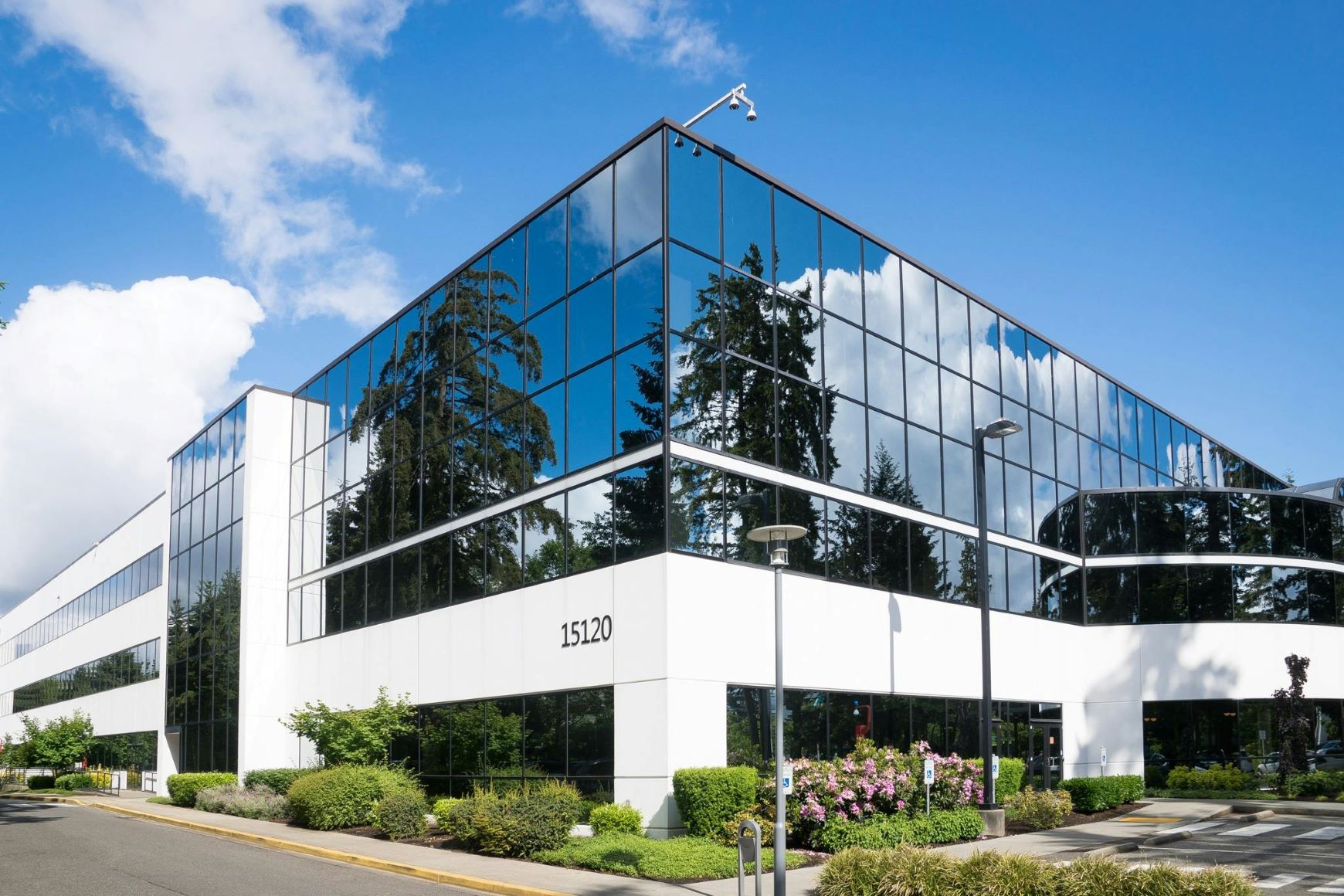
Determining the right landscaping schedule for your business property directly impacts your curb appeal, maintenance costs, and overall property value. Most San Diego commercial landscaping programs range from weekly visits to monthly maintenance, depending on your property’s size, plant types, and seasonal needs. Companies with high-visibility locations typically benefit from weekly service during peak growing seasons, while properties with minimal landscaping may only require bi-weekly or monthly visits.
The frequency you choose affects more than aesthetics. Regular maintenance prevents costly emergency repairs, keeps your irrigation system functioning properly, and ensures compliance with local water restrictions. San Diego commercial landscapers can assess your specific needs based on your property’s square footage, the types of plants and turf you have, and your business’s customer-facing requirements. Getting this schedule right means your landscape stays healthy year-round without overspending on unnecessary visits.
Understanding Weekly Maintenance for Landscaping for Businesses
Weekly service makes sense for most commercial properties in San Diego’s climate. This frequency allows landscapers to mow lawns at the optimal height, trim hedges before they become overgrown, and catch irrigation problems before they waste water or damage plants.
Retail centers, office parks, and hospitality properties typically need weekly attention. Your grass grows continuously during spring and summer, and waiting two weeks between mowing can stress your turf and create an unkempt appearance that drives customers away.
What Weekly Service Typically Includes
- Lawn mowing and edging along walkways and parking areas
- Blowing debris from hard surfaces and entryways
- Basic weeding in planting beds and around structures
- Quick irrigation checks to identify leaks or broken sprinkler heads
- Trash removal from landscape areas
Weekly visits also let your landscaping team spot problems early. They’ll notice pest damage, disease symptoms, or equipment failures when they’re still manageable and inexpensive to fix.
Bi-Weekly Schedules Work for Some Properties
Not every business needs weekly service. Properties with mature, slow-growing landscapes or minimal turf areas can often stretch to bi-weekly maintenance without visible decline.
Warehouses, industrial facilities, and office buildings with primarily hardscaping and drought-tolerant plants fall into this category. Your property might need less frequent service if you have synthetic turf, rock gardens, or native plant installations that require minimal upkeep.
The risk with bi-weekly service comes during San Diego’s peak growing months from March through June. Even slow-growing landscapes can get ahead of you during this period, potentially requiring extra visits to get back on track.
Seasonal Adjustments Your Schedule Needs
San Diego commercial landscapers adjust visit frequency throughout the year based on plant growth patterns and weather conditions. Summer typically demands more attention than winter, though San Diego’s mild climate means year-round maintenance.
Spring brings rapid growth and increased watering needs. Many properties that run monthly service in winter bump up to bi-weekly or weekly visits from March through May. Fall requires different attention as you prepare landscapes for cooler weather, adjust irrigation schedules, and manage falling leaves.
Seasonal Tasks That Require Extra Visits
- Spring fertilization and pre-emergent weed control application
- Summer irrigation system deep checks and adjustments for heat
- Fall aeration, overseeding, and leaf management
- Winter pruning of dormant plants and storm damage cleanup
Planning these seasonal services in advance keeps your landscape healthy and prevents the rushed, expensive emergency calls that happen when maintenance gets skipped.
Matching Frequency to Your Property Size
Larger properties need more frequent attention simply because there’s more ground to cover. A small office with 5,000 square feet of landscape has different needs than a shopping center with several acres of maintained grounds.
Premier LandTechs evaluates your total maintained area, not just your property size, to recommend the right schedule. A property might have substantial square footage but minimal landscaping, requiring less frequent service than a smaller property with intensive planting beds and large turf areas.
The complexity of your landscape matters as much as size. Properties with water features, multiple plant zones, and elaborate hardscaping need more frequent professional attention regardless of total square footage.
Industry-Specific Landscaping Requirements
Some industries demand more frequent landscaping for businesses than others. Medical facilities, financial institutions, and professional services often maintain weekly schedules because client perception directly impacts their business success.
Restaurants and retail properties typically invest in frequent service because customers make snap judgments about business quality based on exterior appearance. Industrial and warehouse properties might scale back to monthly service if their landscape serves primarily functional purposes rather than customer attraction.
Consider your industry standards and what your competitors maintain. If nearby businesses in your sector run weekly service while you’re at monthly, you’re likely falling behind their presentation standards.
Balancing Cost Against Service Frequency
Weekly service costs more than monthly maintenance, but the cost difference isn’t proportional to visit frequency. Weekly service often costs about 60-70% more than monthly, not 300% more, because your landscaper can address issues quickly before they become expensive problems.
Properties that skip regular maintenance often spend more on emergency repairs, plant replacement, and irrigation fixes than they save on reduced visits. Dead plants cost more to replace than healthy plants cost to maintain.
Calculate your total landscape investment over a full year, including emergency repairs and replacements, before cutting service frequency to save money. The cheapest schedule rarely delivers the lowest total cost.
Warning Signs You Need More Frequent Service
Your property tells you when your current schedule isn’t working. Brown patches in turf, overgrown hedges blocking signage, and weeds throughout planting beds all indicate insufficient maintenance frequency.
Customer comments about your property’s appearance should trigger an immediate schedule review. If clients mention your landscape negatively, you’re already losing business to that poor first impression.
Irrigation problems that go unnoticed between visits waste water and damage plants. If you’re discovering broken sprinklers, dry spots, or flooding between scheduled services, you need more frequent professional eyes on your system.
Creating Your Custom Maintenance Schedule
The right frequency for your property depends on your specific combination of landscape type, property use, budget constraints, and business needs. Start by having San Diego commercial landscapers assess your property and recommend a baseline schedule.
Plan to adjust quarterly based on seasonal changes and your landscape’s response to current service levels. A schedule that works perfectly in January might leave you behind in May without adjustments. Contact Premier LandTechs to schedule a property evaluation and develop a customized maintenance plan that keeps your commercial landscape healthy and attractive year-round.
Most successful commercial properties treat landscaping as an ongoing investment rather than an occasional expense. Consistent, appropriately-timed maintenance costs less and delivers better results than sporadic attention punctuated by emergency interventions.